
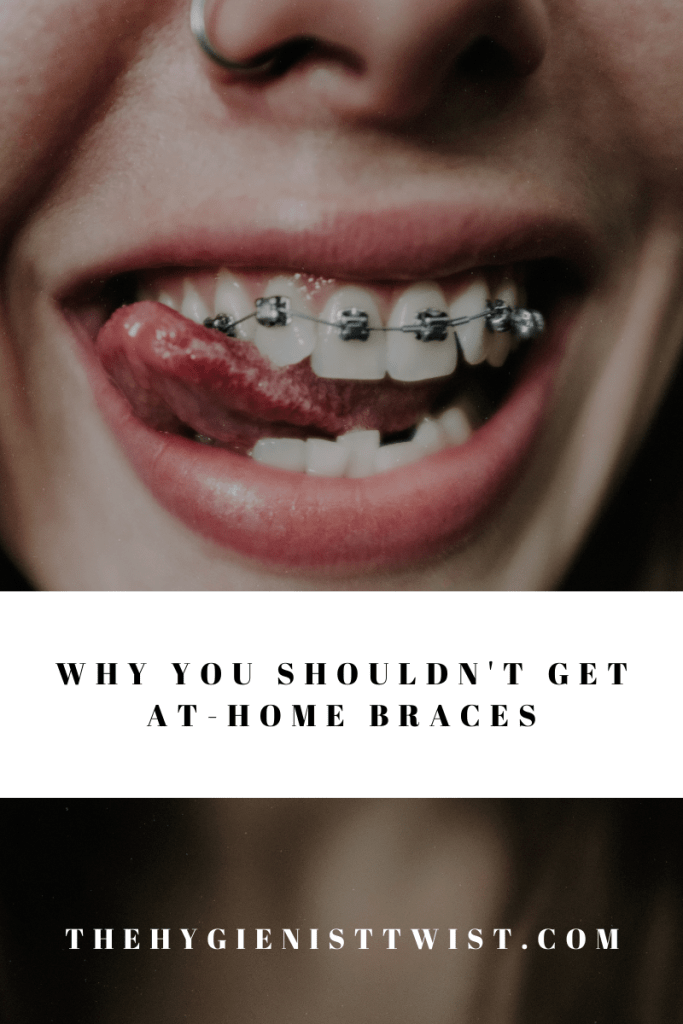
When did braces become a fashionable accessory? I’ve seen the trend of people wanting to get orthodontic treatment because they think braces look cute. I remember a time when no one wanted to have a brace face. Because it is trendy, people are going as far as getting braces put on in someone’s living room. Yes! They’re getting dental healthcare treatment done by someone who has not completed the extensive training an orthodontist would have done. I’m shocked every time I see a social media post that is obviously from someone who is not licensed. Everyone is commenting on how good the braces look and how straight the teeth are. They are dismissive of the dental professionals trying to warn them of the dangers of doing this treatment without the guidance and supervision of a licensed dentist. This is just as bad as the basement “veneers” they’re getting these days. I believe when one has more knowledge of a subject, they can make better choices. Let’s talk about the dental specialty of orthodontics.
What is orthodontics? Orthodontics is a specialized area of dentistry that focuses on the diagnosis, treatment, and prevention of malocclusions, which are problems with the alignment of the teeth and jaws. The formal name of this specialty is orthodontics and dentofacial orthopedics. To sum it up, it’s a specialty that improves the way you bite.
Who completes orthodontic treatment? Most of the time orthodontics (braces) are completed by Orthodontists; however, recently there has been an increase in General dentists completing simple orthodontic care in their practices. Orthodontists are specialists who diagnose, prevent, and treat dental and facial abnormalities. To become an orthodontist, candidates must complete college requirements, graduate from an accredited dental school, and complete at least two years of full-time study in an accredited orthodontic residency program. Only individuals who have completed this education qualify as “orthodontists,” and their scope of practice is limited to orthodontic treatment. The amount of time orthodontists spend studying should let you know basement braces are NOT the move. There’s obviously more to it than just making the teeth straight.
Orthodontic treatment aims to achieve a healthy bite by aligning teeth in a way that they meet properly with the opposing teeth in the opposite jaw. This alignment can facilitate biting, chewing, and speaking effectively. It is recommended if your teeth are crowded, protruding, spaced too far apart, meet abnormally, or do not meet at all. Orthodontists usually use braces and aligners to guide your teeth into their correct positions. The results of your orthodontic treatment are preserved and maintained by retainers.
Braces can have life-changing effects, including:
- Improved dental function for biting and chewing.
- Better alignment of teeth and jaws
- Reduced risk of dental problems, such as tooth decay and gum disease
- Fewer dental emergencies
- Enhanced oral hygiene.
- A beautiful, confident smile!
NO! I do not recommend you get at-home or basement braces. I only recommend you get dental care from licensed dental health professionals. It’s important to note that orthodontic care is not a quick fix. Moving teeth into new positions is a complex biological process that involves alterations to jaw bones, facial bones, and soft tissue. Here are three reasons why you may want to avoid at-home braces:
- Lack of Professional Supervision: With at-home braces, you are not under the direct supervision of a dental professional. This means that any issues or complications that arise during the treatment may go unnoticed and untreated, which could lead to more serious dental problems in the future.
- Potential for Inaccurate Results: Without the guidance of a dental professional, it is possible that the results of your treatment may not be as accurate as they would be with traditional braces. This can lead to long-term problems with your bite and jaw alignment.
- Safety Concerns: Many at-home braces are made from low-quality materials and may not be FDA-approved. This means that they may not be safe for use in your mouth and could cause harm or damage to your teeth and gums.
Overall, it is important to consult with a licensed dental professional before embarking on any orthodontic treatment plan. They can help you determine the best course of action for your individual needs and ensure that you receive safe and effective treatment. If you have doubts about whether the professional is licensed and certified, you can always search for their license with your local dental board. Your teeth should last you a lifetime, make sure you are entrusting them to someone who will handle them with care.

 The Hygienist Twist